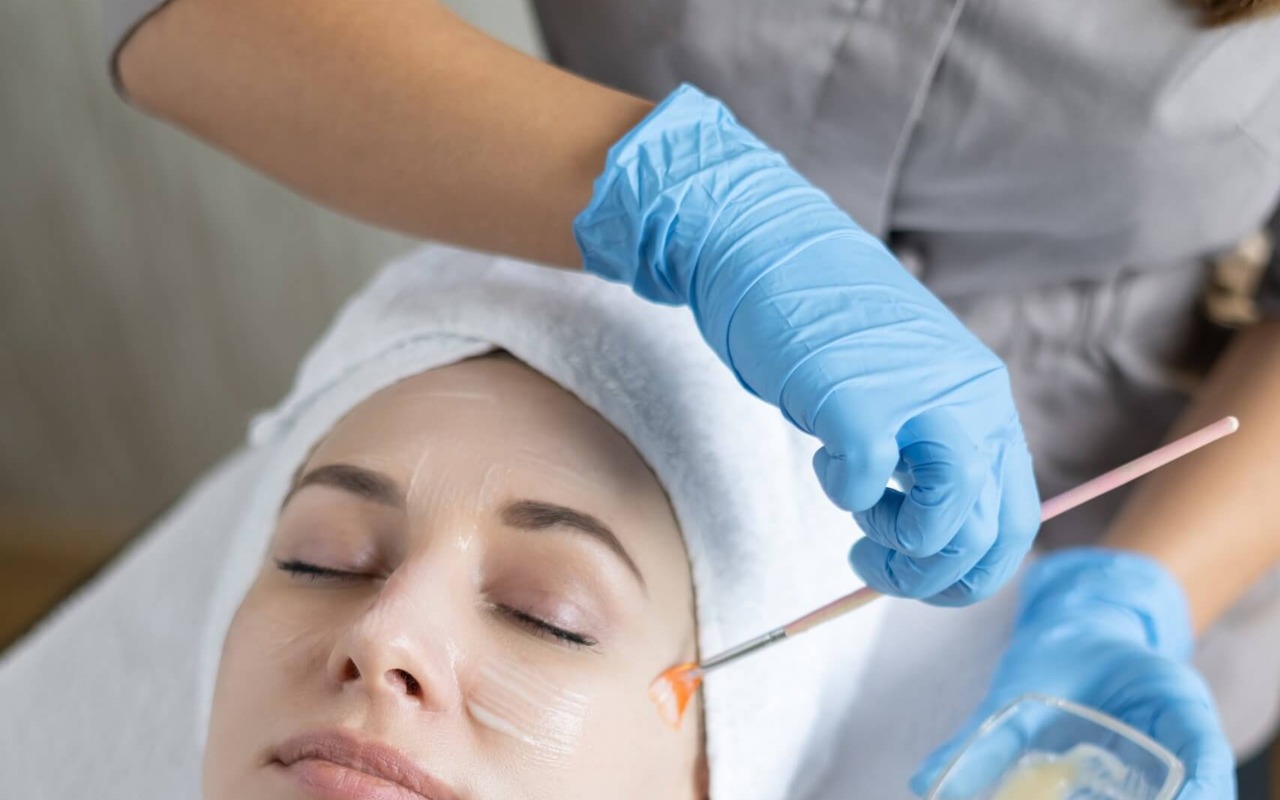
Walk into any mall in Kochi, Bangalore, or Mumbai and count the derma clinics you pass. Five years ago, you might have spotted one. Today, you’ll find three or four — each one bustling with clients waiting for chemical peels, LED facials, and microdermabrasion sessions. That explosive growth isn’t slowing down, and it’s creating a career opportunity that most aspiring beauty professionals are only beginning to understand.
If you’ve been considering a career in the beauty industry but aren’t sure where the real growth lies, here’s the answer: skin care. A professional skin care course doesn’t just teach you how to do facials — it opens doors to clinical aesthetics, derma clinic roles, medical spa careers, and even product consulting positions that pay significantly more than traditional salon work.
Let’s break down exactly why a skin care course is the smartest investment you can make in 2026, what you’ll actually learn, and how to turn that training into a thriving career.
Why Skin Care Is Booming in India Right Now
India’s aesthetic dermatology market is projected to cross ₹25,000 crore by 2027, growing at nearly 15% year-on-year. But you don’t need market reports to see it — just look around.
Several forces are driving this explosion:
- Rising disposable income — India’s growing middle class is spending more on personal care than ever before, with skin treatments becoming routine rather than luxury
- Social media influence — Instagram and YouTube have normalised professional skin care, with “glass skin” and “skin cycling” becoming household terms
- Derma clinic expansion — Chains like Kaya, VLCC, and Dr. Batra’s are opening new locations monthly, and independent dermatologists are hiring trained aestheticians at record rates
- Post-pandemic skin awareness — Mask-related skin issues (maskne, sensitivity) drove millions of Indians to seek professional skin treatments for the first time
- Men’s grooming growth — The men’s skin care segment alone is growing at 20%+ annually, creating entirely new client demographics
For trained skin care professionals, this means one thing: there are more jobs than qualified people to fill them. A certified clinical skin therapy course positions you right at the centre of this demand.
What You Actually Learn in a Professional Skin Care Course
A serious skin care course goes far beyond basic cleanup facials. You’re learning the science behind skin — how it functions, why it breaks down, and which professional interventions produce real, measurable results.
Skin Science & Anatomy
Before you touch a single product, you need to understand the canvas you’re working on. A quality dermatology course for beauticians covers:
- Skin anatomy — epidermis, dermis, and subcutaneous layers; how each responds to treatment
- Fitzpatrick skin typing — especially critical for Indian skin tones (Types III-V), where incorrect treatments can cause hyperpigmentation
- Skin conditions — acne pathophysiology, rosacea triggers, eczema management, melasma patterns, and pigmentation disorders common in South Asian skin
- Ingredient science — understanding actives like retinoids, AHAs/BHAs, niacinamide, vitamin C, and peptides at a molecular level
This foundation separates a trained skin therapist from someone who simply follows product instructions.
Clinical Treatments & Advanced Therapies
This is where the real career value lies. Professional skin care training teaches you to perform treatments that clients pay ₹2,000–₹15,000 per session for:
Chemical Peels
- Glycolic, salicylic, lactic, and combination peels
- Depth assessment (superficial, medium, deep) and contraindications
- Pre-peel preparation and post-peel care protocols
- Managing complications and understanding when to refer to a dermatologist
Microdermabrasion & Dermaplaning
- Crystal vs. diamond-tip microdermabrasion techniques
- Skin preparation and suction calibration
- Combining microdermabrasion with infusion therapies
- Dermaplaning safety protocols and blade angles
LED Light Therapy
- Blue light for acne (P. acnes bacteria elimination)
- Red light for anti-ageing and collagen stimulation
- Near-infrared for wound healing and inflammation reduction
- Treatment duration, eye safety, and combination protocols
Advanced Facial Therapies
- Hydrafacial-style treatments (cleanse, exfoliate, extract, hydrate)
- Oxygen therapy facials
- Galvanic and high-frequency treatments
- Microcurrent facial toning
- Lymphatic drainage massage techniques
Specialised Treatments
- Anti-ageing protocols (fine lines, wrinkles, loss of elasticity)
- Pigmentation correction programmes
- Acne management — from extraction techniques to long-term treatment plans
- Sensitive skin and rosacea-safe treatment modification
Product Knowledge & Cosmeceuticals
Understanding products at a professional level means knowing:
- How to read and interpret INCI (ingredient) lists
- The difference between cosmetic-grade and cosmeceutical-grade products
- How to build customised treatment plans combining in-clinic treatments with homecare regimens
- Professional product lines from brands like Dermalogica, SkinCeuticals, Obagi, and Mesoestetic
Client Consultation & Skin Analysis
Perhaps the most underrated skill: learning to properly assess a client’s skin and create treatment plans. This includes:
- Using Wood’s lamp analysis and skin scanners
- Conducting thorough medical history consultations
- Setting realistic expectations with clients
- Documentation and before/after photography
- Identifying when a skin condition requires medical referral
Career Paths After a Skin Care Course: Where the Jobs Are
This is where things get exciting. The skin care career scope in India has diversified dramatically. You’re no longer limited to working in a neighbourhood salon — though that’s still a valid path if you choose it.
1. Derma Clinic Skin Therapist
Salary range: ₹25,000–₹60,000/month (metro cities)
This is the fastest-growing role in Indian aesthetics. Dermatologists need trained therapists to perform procedures under their supervision — chemical peels, microdermabrasion, laser prep, post-procedure care. Many derma clinics in Kochi, Chennai, and Bangalore are actively struggling to find qualified candidates.
What makes you hireable: A government-recognised certification, hands-on clinical training, and knowledge of Indian skin types.
2. Medical Spa Aesthetician
Salary range: ₹30,000–₹70,000/month
Medical spas (med spas) are the fastest-growing segment within the wellness industry. They blend clinical treatments with a spa environment, and clients expect therapists who understand both the science and the experience. Luxury hotel spas and wellness resorts in Kerala are particularly strong employers in this category.
3. Skin Care Brand Consultant / Educator
Salary range: ₹35,000–₹80,000/month + incentives
Brands like L’Oréal Professional, Dermalogica, and Kiehl’s hire trained skin professionals as product educators and in-store consultants. This role combines skin care knowledge with communication skills — you train retail staff, conduct masterclasses, and advise clients on product selection.
4. Freelance Skin Care Specialist
Earning potential: ₹50,000–₹2,00,000/month
With a strong personal brand and client base, freelance skin therapists offer home-visit consultations, curate personalised skincare routines, and partner with dermatologists for referral-based work. Social media has made it easier than ever to build a freelance skin care practice.
5. Spa or Clinic Owner
Earning potential: Variable, but ₹1–5 lakh/month is realistic within 2–3 years
With proper training, business knowledge, and some initial capital, many skin care professionals open their own clinics within a few years. A clinical skin therapy course that includes salon management fundamentals gives you a head start here.
6. Skin Care Content Creator / Influencer
Earning potential: Highly variable — top creators earn ₹1–10 lakh/month
The “skinfluencer” space is booming. Trained professionals who can explain skin science accessibly on Instagram, YouTube, or podcasts are building massive audiences — and monetising through brand partnerships, courses, and consulting.
Salary Potential: What Skin Care Professionals Actually Earn
Let’s be transparent about numbers. Skin care career scope in India varies significantly by city, experience, and specialisation:
| Experience Level | Tier 1 City (Monthly) | Tier 2 City (Monthly) |
|---|---|---|
| Fresher (0-1 year) | ₹18,000–₹30,000 | ₹12,000–₹20,000 |
| Intermediate (1-3 years) | ₹30,000–₹55,000 | ₹20,000–₹35,000 |
| Senior/Specialist (3-5 years) | ₹50,000–₹80,000 | ₹35,000–₹55,000 |
| Lead Therapist/Manager (5+ years) | ₹70,000–₹1,20,000 | ₹50,000–₹80,000 |
Key factors that increase your earning potential:
- Government-recognised certifications (B&WSSC/NSDC) command 20-30% higher starting salaries
- Specialisation in high-demand treatments (chemical peels, advanced anti-ageing) attracts premium clients
- International product training (working with brands like L’Oréal, Dermalogica) makes you more employable
- Client retention skills — therapists who build loyal client bases earn significantly through repeat bookings and tips
Certifications That Matter: What Employers Look For
Not all skin care courses are created equal. In India’s increasingly regulated beauty industry, the certifications behind your training matter enormously.
Government-Recognised Certifications
The most credible certifications come through:
- B&WSSC (Beauty & Wellness Sector Skill Council) — the official sector skill council under India’s National Skill Development Mission
- NSDC (National Skill Development Corporation) — provides nationally recognised qualification frameworks
- MSDE (Ministry of Skill Development and Entrepreneurship) — government backing that employers trust
These aren’t just pieces of paper. Derma clinics and branded salons increasingly require B&WSSC certification as a minimum hiring standard. Without it, you’re competing with a significant disadvantage.
What to Look For in a Skin Care Course
Before enrolling anywhere, verify:
- ✅ Is the institution B&WSSC recognised?
- ✅ Do students get hands-on training with real clients (not just mannequins)?
- ✅ Does the curriculum cover clinical treatments, not just basic facials?
- ✅ Is there training on professional-grade products and equipment?
- ✅ Does the course include salon/clinic management fundamentals?
- ✅ Is there placement support after completion?
- ✅ Are the trainers industry-experienced professionals, not just textbook educators?
How LivArt’s Clinical Skin Therapy Programme Prepares You for Real-World Success
At LivArt Beauty Academy in Kalamassery, Kochi, the Clinical Skin Therapy programme was designed with one principle: you should be job-ready from day one after graduation, not after months of additional on-the-job learning.
Here’s what makes the programme different:
Real Client Training From Day One
Theory matters, but skin care is a hands-on profession. LivArt students don’t just practise on mannequins — they work with real clients under expert supervision in a fully equipped clinical setting. This means you graduate having already performed dozens of treatments on diverse skin types, understanding the unpredictability and nuance that textbooks can’t teach.
Industry-Standard Products & Equipment
Training on professional-grade products from L’Oréal, Wella, and Schwarzkopf means you’re learning with the exact same tools you’ll use in top derma clinics and spas. There’s no adjustment period when you start your first job.
Government-Recognised Certification
LivArt is B&WSSC + NSDC + MSDE recognised, which means your certification carries weight with every employer in India. This isn’t a certificate from an unregulated academy — it’s a credential backed by India’s national skill development framework.
Expert-Led Training
The programme is led by Stephy Sebastian, a celebrity stylist and former national educator for L’Oréal and Wella. Learning from someone who has trained professionals across India — not just taught in a classroom — gives you insights into industry standards, client expectations, and career navigation that you simply won’t get elsewhere.
Comprehensive Curriculum
LivArt’s approach covers the full spectrum — from skin anatomy and Fitzpatrick typing to advanced chemical peels, LED therapy, microdermabrasion, and anti-ageing protocols. The curriculum also integrates elements of salon management, preparing you not just for employment but for eventual entrepreneurship.
100% Placement Assurance
Perhaps most importantly, LivArt provides 100% placement assurance. The academy’s industry connections with leading salons, derma clinics, and wellness brands across Kerala and beyond mean you’re not left job-hunting after graduation.
The Right Time to Start Is Now
Here’s the reality: the skin care industry in India is growing faster than training institutions can produce qualified professionals. That gap between demand and supply is your opportunity — but it won’t last forever.
Every month you wait, more people recognise this opportunity. More academies open (many without proper accreditation). More graduates enter the market. The professionals who establish themselves now — with proper training, legitimate certifications, and real clinical experience — will be the ones leading clinics, training the next generation, and earning at the top of the pay scale five years from now.
A professional skin care course isn’t an expense. It’s the highest-return investment you can make in your beauty career.
Ready to start your clinical skin therapy journey? Visit LivArt Beauty Academy or call +91 96332 11151 to learn about upcoming batches, fee structures, and placement opportunities. The academy is located at Madukappilly Tower, Pathadipalam, Edappally P.O, Kalamassery, Kochi, Kerala 682024.
Frequently Asked Questions
Q: What is the eligibility to join a professional skin care course? A: Most professional skin care courses, including LivArt’s Clinical Skin Therapy programme, require a minimum of 10th or 12th pass. No prior beauty industry experience is necessary — the course is designed to take you from foundational skin science to advanced clinical treatments. A genuine interest in skin health and client care is the most important prerequisite.
Q: How long does a clinical skin therapy course take to complete? A: Course duration varies by programme depth. Comprehensive clinical skin therapy courses typically range from 3 to 6 months of intensive training. At LivArt, the programme balances theory with extensive hands-on clinical practice, ensuring you graduate with real-world competence rather than just theoretical knowledge.
Q: Can I work in a derma clinic without a medical degree? A: Yes, absolutely. Dermatologists hire trained skin therapists and aestheticians to perform a range of procedures — chemical peels, microdermabrasion, facials, LED therapy, and pre/post-procedure care — under their clinical supervision. What you need is a recognised skin care certification (ideally B&WSSC/NSDC accredited), not a medical degree. Many of India’s top derma clinics actively prefer hiring certified beauty professionals for these roles.
Q: Is skin care a better career choice than hair or makeup? A: It’s not necessarily “better” — it depends on your interests and strengths. However, skin care currently offers some distinct advantages: faster job market growth, higher average starting salaries, stronger demand in the medical/clinical sector, and growing opportunities in product consulting. Many successful beauty professionals combine skin care expertise with hair or makeup skills through comprehensive programmes like LivArt’s Cosmetology Master Diploma, which covers all three disciplines.
Q: What salary can I expect after completing a skin care course in Kerala? A: In Kerala, freshers with a recognised certification typically start at ₹15,000–₹25,000 per month in salons and clinics. With 1-2 years of experience, especially in derma clinics or medical spas, this rises to ₹25,000–₹45,000. Therapists who specialise in advanced treatments or move into senior roles can earn ₹50,000–₹80,000+ per month. Freelance skin care specialists and clinic owners often earn significantly more, depending on their client base and location.
Want to Master These Skills Professionally?
LivArt Beauty Academy in Kalamassery, Kochi provides government-recognized (B&WSSC) master diplomas in Cosmetology, 4K HD Bridal Makeup, Clinical Skin Therapy, and Salon Hair Architecture. Benefit from 1-on-1 mentorship, international products, and 100% placement assurance.